You can almost hear the quiet. Morning light over open sky, a garden that actually has room to grow, and a shop where projects don’t share space with cars. If you’re picturing acreage near Springfield, you want that country feel without giving up everyday access to Omaha and Gretna. In this guide, you’ll see what acreage living really looks like, from commutes and utilities to permits, maintenance, and a simple buying checklist. Let’s dive in.
What you get: space and privacy
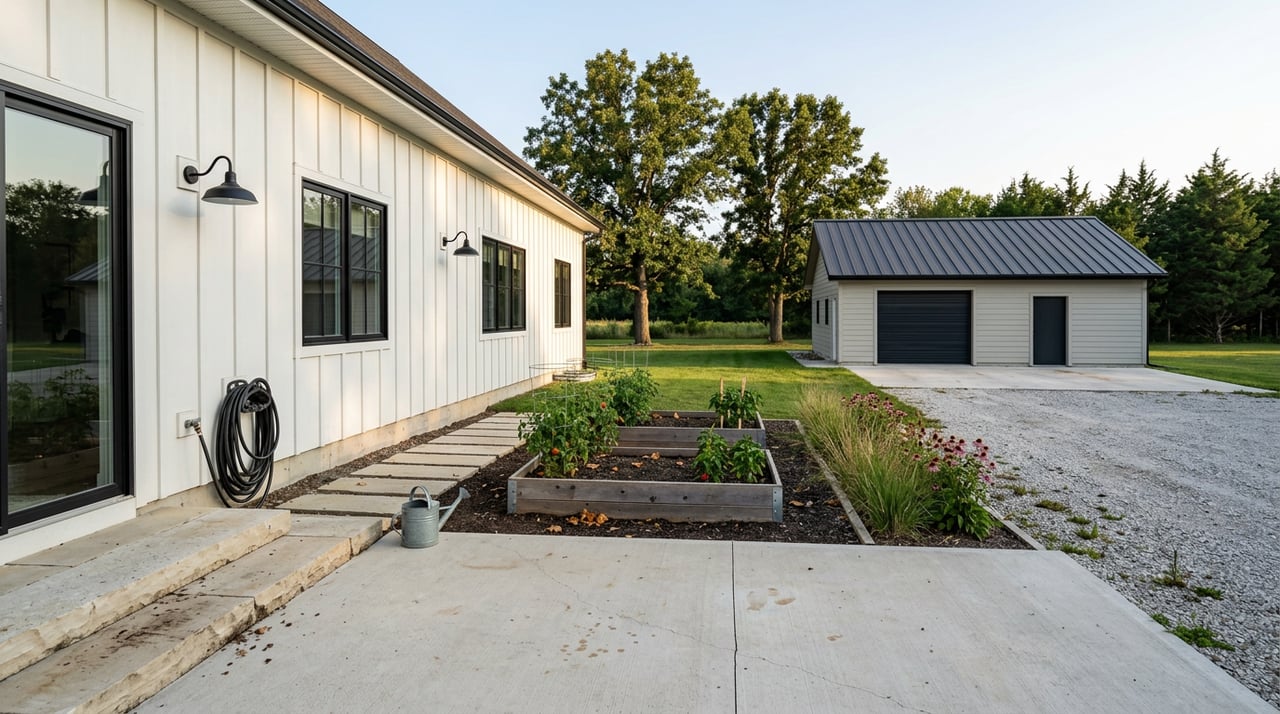
On acreage near Springfield, space is the star. You can plan a generous garden, let kids and pets roam, or map out trails along tree lines. Many owners add functional outbuildings that fit their hobbies or storage needs. Think detached garages, pole barns, workshops, greenhouses, or larger sheds.
Most true acreage properties lean on self-reliance. Private wells and septic systems are common, and some parcels use propane instead of natural gas. You pick the layout that fits your life and enjoy more privacy than a typical suburban lot.
That freedom also comes with a few rules. Accessory buildings and certain uses need county permits. Setbacks, height limits, and placement near wells or property lines can affect your plans. You’ll want to confirm permissions before you buy or build.
What you buy into: upkeep and routines
Acreage living trades cul‑de‑sac convenience for more hands-on care. You’ll spend more time mowing or pay a service to handle it during peak season. Fences need attention, gravel driveways need grading, and roofs or slab foundations on outbuildings require periodic checks.
Expect seasonal work. Snow removal on a longer driveway, spring cleanup after storms, and winterizing equipment are common tasks. If there’s a pond, you may want a maintenance plan to keep water quality steady.
The payoff is privacy, views, and space to do more. Just plan time and budget for property care so it supports, not stresses, your daily life.
Commutes and everyday access
Springfield sits within the Omaha metro footprint, so your drive is practical for most work and errands. The drive from Springfield to Downtown Omaha is commonly around 20 to 30 minutes. A typical drive-time calculator puts it near 27 minutes.
Gretna and Papillion serve as nearby shopping and services hubs to the north, a short drive for groceries, dining, or youth activities. Many acreage buyers choose Springfield to keep that balance of quiet at home and access to metro amenities.
Most homes in and around Springfield are served by Springfield Platteview Community Schools, a district with elementary, junior high, and high school campuses. You can learn more on the Springfield Platteview Community Schools overview. Always confirm your specific address for school assignments.
Rules, permits and planning to know
Start with the county’s official tools. Sarpy County uses an online Planning and Building portal for permits and inspections. You’ll find categories for accessory buildings, septic systems, wells, fences, driveways, and floodplain reviews. The site notes that residential permit reviews generally require a minimum of about 10 business days. Explore the Sarpy County Planning & Building portal (SmartGov) to understand what your project needs.
Next, verify where your parcel sits on the map. Whether it’s inside a city limit or in unincorporated county land can change what you can build or keep on-site. Use the county’s Zoning and Jurisdiction Finder to confirm local authority and zoning before you make plans. Start with the Sarpy County Planning & Zoning quick links.
If you want to add a pole barn, shop, or greenhouse, you’ll likely need an accessory-use permit with setbacks and placement rules. If you plan small-scale hobby animals, ask planning staff about what is allowed in your zoning district and the required distances from wells and property lines. Do this early so your offer and build plans stay aligned.
Floodplain checks are part of smart due diligence too. Some parcels near rivers or tributaries can be regulated. The county lists Flood Plain Development Permits and related guidance in the same SmartGov portal, so you can confirm if special reviews apply.
Septic, wells and water quality
Many acreage properties use private onsite wastewater systems. Nebraska’s Onsite Wastewater Program (Title 124) sets design standards and requires certified professionals for construction or modification. As a buyer, you should require a septic inspection and request any available records from the seller. Learn the basics in the NDEE overview of onsite septic systems.
Private wells are common too, and owners are responsible for testing and maintenance. Plan routine testing for bacteria and nitrates and include a well-water test in your purchase inspections. UNL Extension and state health resources outline what to test and how often. Get started with UNL’s guidance on private well testing.
If you want public sewer and water, focus your search on parcels already served or on corridors where service is expanding. Sarpy County and its partners are building a Unified Southern Sarpy Wastewater System that will open more areas to development. Check project updates at Sarpy County’s website.
Utilities and connectivity
- Electricity: Omaha Public Power District serves much of the metro, including Sarpy County. Confirm your parcel’s provider and any potential line-extension costs for raw land. Learn more about OPPD’s service footprint on Omaha Public Power District’s background page.
- Natural gas: Availability varies by area. Metropolitan Utilities District and Black Hills Energy serve different pockets. Many rural parcels use propane when no gas main is present. A local moving guide outlines common providers in area suburbs, including both utilities.
- Internet: Service quality can change from parcel to parcel. Some addresses have fiber or cable, while others rely on fixed wireless or satellite. Always run an address-level check before you assume high-speed options.
- Trash and mail: Inside city limits, trash and yard-waste collection are usually municipal services. In unincorporated areas, you often set up a private hauler. Mail can run on rural routes with box placement guidelines, so confirm details during due diligence.
- Emergency services: 911 and primary dispatch are county-managed. Response times can be longer on remote parcels. Ask about volunteer fire coverage and proximity to the nearest station before you buy.
Your 10-step due diligence checklist
Use this simple list to go from daydreaming to confident action.
- Zoning and jurisdiction: Confirm city limits vs. unincorporated status and your zoning district using the Sarpy County Zoning & Jurisdiction tools.
- Seller records: Request septic records, recent well tests, any surveys, and copies of past variances or conditional-use permits.
- Permit pre-check: Ask Sarpy Planning & Building what your project will require and review anticipated timelines in the SmartGov permit portal.
- Septic and well inspections: Hire a certified septic pro and a licensed well contractor. Review Nebraska’s rules in the NDEE onsite wastewater overview and plan water-quality testing with UNL’s well-testing guidance.
- Survey and easements: Order a current survey if needed. Verify road rights-of-way, powerline or pipeline easements, and any private-road maintenance agreements.
- Utilities and costs: Confirm electric provider, gas availability or propane plan, and internet options. Ask about line-extension or transformer fees. OPPD is the common electric utility for the area.
- Property taxes and valuation: Review history and current values in the Sarpy County property portal.
- Insurance and financing: Check coverage for outbuildings and distance to fire services. Ask your lender about any acreage or outbuilding requirements that could affect underwriting.
- Road and winter access: Learn whether the driveway is private or county maintained. If private, decide how you’ll handle winter plowing and gravel upkeep.
- Future growth and sewer: Watch county updates on roads and the Unified Southern Sarpy Wastewater System at Sarpy County’s website, since new infrastructure can change density and development patterns.
Is acreage living a fit for you?
If you love privacy, open sky, and room to create, acreage near Springfield can be a great match. You get flexible outdoor space and the freedom to add the buildings and uses that fit your life. You also take on more planning and maintenance, and you’ll want to be thorough on permits, inspections, and utilities before you close.
You do not have to figure it out alone. With a construction-savvy, land-focused agent, you can line up due diligence, read site constraints, and match parcels to your goals with confidence. If you’re considering an acreage buy or a custom build near Springfield or Gretna, reach out to Missy Ruff for expert guidance on lot selection, builder coordination, and a smooth path from offer to move-in.
FAQs
How long is the commute from Springfield to Downtown Omaha?
- Typical drive times run about 20 to 30 minutes, and drive-time tools commonly estimate around 27 minutes, depending on traffic and exact start and end points.
What inspections do I need for a well and septic on acreage?
- Order a septic inspection by a certified professional under Nebraska Title 124 and test your private well for bacteria and nitrates using NDEE onsite wastewater guidance and UNL’s well-testing recommendations.
Can I add a pole barn or detached shop on Sarpy County acreage?
- Often yes, but you’ll need to meet zoning and setback rules and pull permits through the Sarpy County SmartGov portal; check your parcel’s zoning and jurisdiction first.
Is natural gas available on rural parcels near Springfield?
- It varies by address; some areas are served by M.U.D. or Black Hills Energy and many rural parcels use propane, so verify service using a local guide like the Omaha movers’ resource and then call providers to confirm.
How do I check if a property is in a floodplain in Sarpy County?
- Start with your parcel’s zoning and jurisdiction in the county quick links, then review Flood Plain Development Permit guidance and requirements in the SmartGov permit portal.
What school district serves homes around Springfield?
- Many properties in and near Springfield are served by Springfield Platteview Community Schools; confirm your exact address with the district overview and the district office.