Picture your morning coffee with glassy water out front and the city just a short drive away. If you’re eyeing a home on Bennington Lake in the Newport Landing community, you’re not just buying a view. You’re choosing a lifestyle shaped by HOA rules, lake access logistics, custom home standards and smart planning for insurance and permits. This guide breaks down what everyday life really looks like so you can enjoy the water with confidence. Let’s dive in.
Where you’ll live and play
Bennington sits in Douglas County about 15–20 miles northwest of central Omaha, so you keep big‑city access while living near the water. Newport Landing (Bennington Lake) is a private, HOA‑managed community where owners, family and registered guests use the lake. Day‑to‑day access, boat launching and decals flow through the HOA’s registration process and seasonal updates. You can review the Newport Landing HOA resources to understand how the lake is operated and governed by the community’s rules and documents.
Seasonal rhythms on the lake
Life on the water changes with the seasons. Spring and summer bring boating, warm‑weather swimming and shoreline time, along with late‑spring and early summer fishing. The HOA posts seasonal lake status, opening dates and registration instructions each year, and access is controlled. Plan ahead for deliveries, guest visits and any service vendors who need the launch ramp.
Nearby public lakes and trails
You’ll have private lake access at home, and there are public options close by when you want a change of scene. Prairie View Lake Recreation Area is listed as a public fishing lake of about 42 acres with a concrete ramp and 5‑mph no‑wake rules, which is great for low‑speed paddling and fishing. For larger regional options, Standing Bear Lake and Flanagan Lake Park are a short drive from Bennington and offer additional trails and water access.
- Read the state’s listing for Prairie View Lake, including the no‑wake note, in the Nebraska Game and Parks guide: Prairie View Lake overview.
Home and lot features you can expect
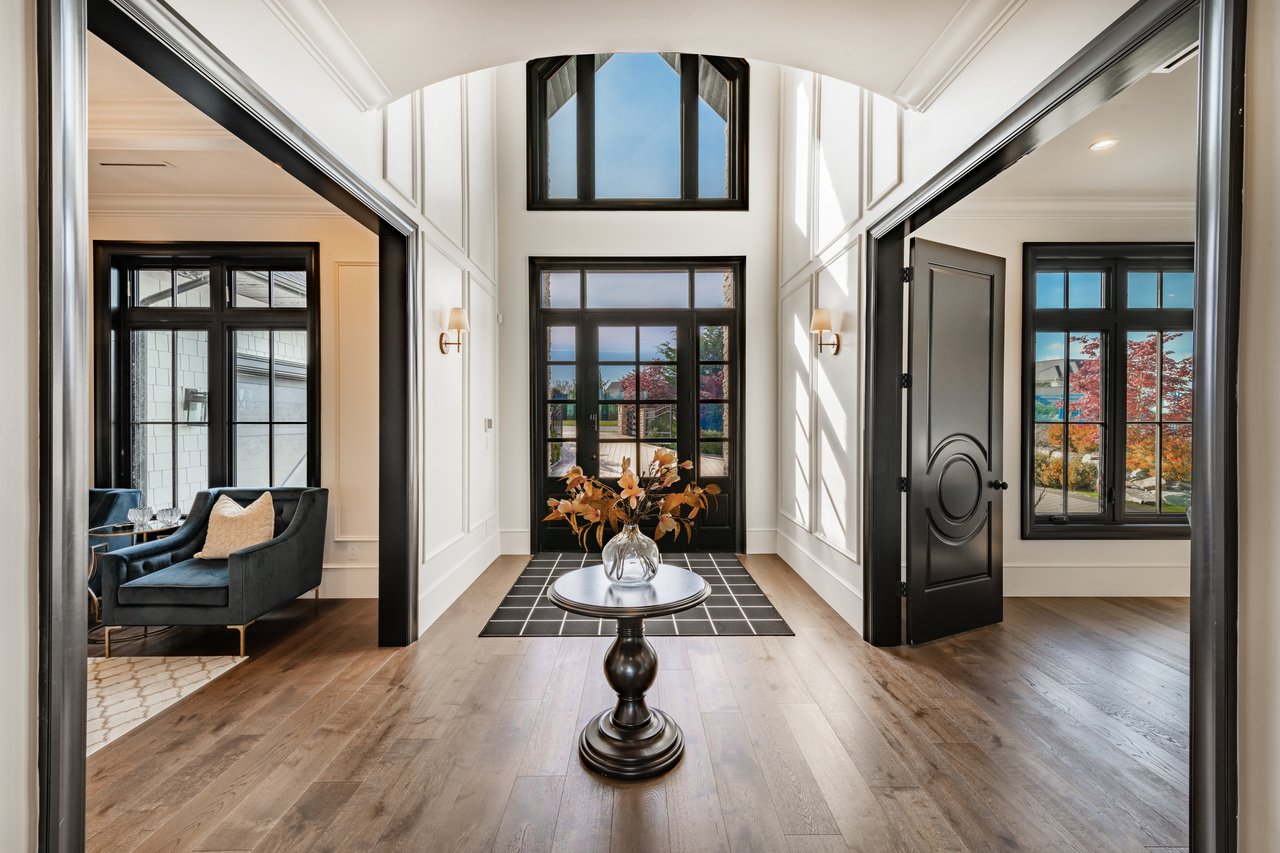
Newport Landing is designed for custom and estate‑style homes, which shapes the neighborhood’s look and price tier. The community’s Design Review Committee (DRC) sets minimum main‑floor sizes of about 2,200 square feet for ranch or 1.5‑story plans and about 1,800 square feet for two‑story classification. Minimum 3‑car garages, masonry requirements on the front elevation, and 50‑year shingles are also called out, along with neutral earth‑tone exterior colors. These design rules add cohesion and help explain why lakefront homes sit at the higher end of the Bennington market.
- Review the neighborhood’s design standards in the official DRC guidelines: Newport Landing DRC Guidelines.
Setbacks, seawalls and your shoreline
Waterfront yards feel different because of required setbacks and drainage controls. The DRC enforces specific distances from the seawall for foundations and retaining walls, and it requires grading and landscaping plans that protect the lake. These standards affect where you can place patios, pools and docks. Ask for the recorded plat and any shoreline easements attached to your lot so you fully understand your usable space.
- See setback and grading requirements in the DRC guidelines: Shoreline and grading rules.
Boats, docks and daily access
Living on Bennington Lake comes with clear lake‑use logistics. Understanding these up front makes daily life smoother.
Registration and decals
The HOA requires boats to be registered with the state and with the Association before issuing ramp codes and lake decals. Decals must be displayed in a visible starboard‑aft location, and ramp codes reset each season. Build time into your calendar for annual registration, especially if you host guests or schedule boat deliveries.
- Learn how ramp codes and decals are issued: Newport Landing lake access.
What types of watercraft are allowed
The HOA rules outline permitted watercraft, operator requirements and insurance. Boats must be owned by an owner or family member, registered with the HOA and carry current insurance to receive an HOA decal. Nebraska boater‑education and age requirements apply, and safety practices are enforced on the lake.
- Read the community’s governing rules and lake provisions: Declaration and Lake Rules.
Dock construction and placement
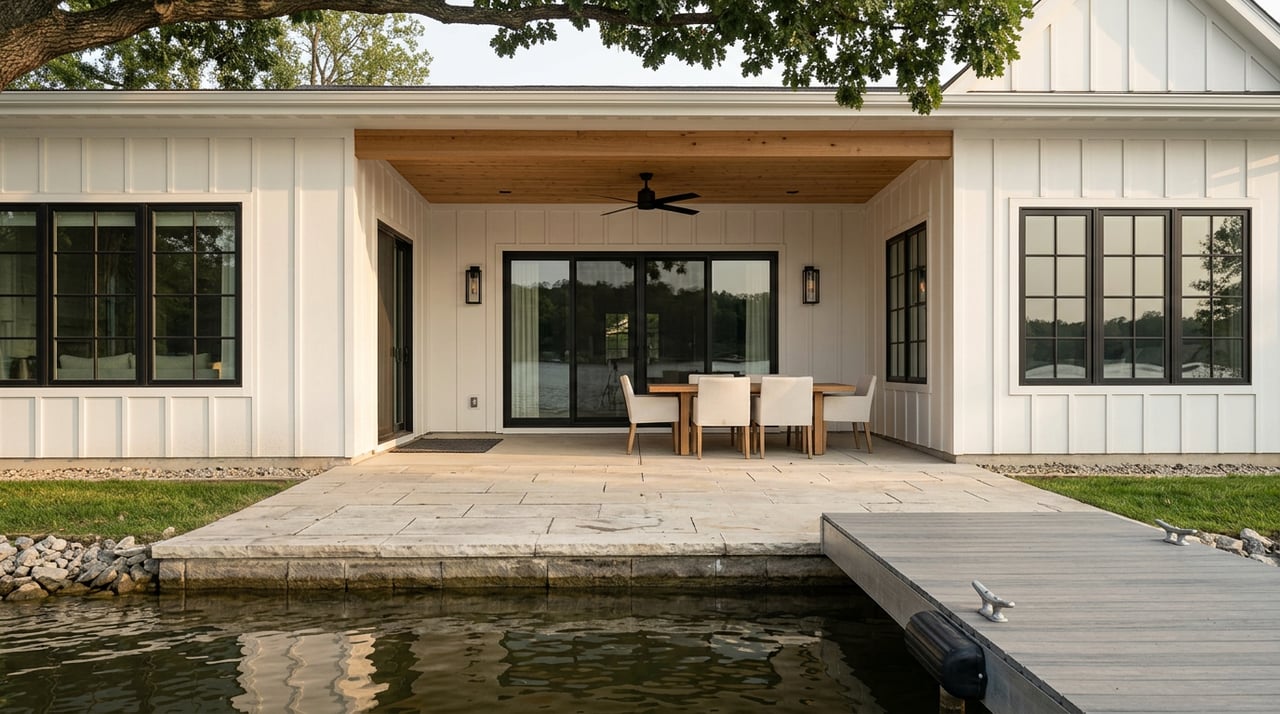
Docks must be free‑standing rather than attached to the seawall. Both stationary and floating docks can be allowed, but size and placement are limited. As an example, the DRC rules state that docks are not to extend beyond 30 feet and cannot cross a neighboring property line. Covered slip roofs may require approval, and rooftop gathering spaces are not permitted. These details matter if you plan to add or modify a dock soon after closing.
- Check the dock specifications before you design: Dock rules and approvals.
Safety and no‑wake areas
The HOA enforces Nebraska boating laws, no‑wake coves and safety practices like spotters for tow sports, proper flags and diver‑down rules. Expect posted buoys and clear expectations for courteous operation. Following these guidelines protects everyone’s enjoyment and keeps the lake in good standing.
- See safety and enforcement details within the recorded rules: Declaration and Lake Rules.
HOA costs, approvals and timelines
It’s important to understand the costs that support the lake and common areas. The DRC document cites annual dues of $1,100 per lot, with separate mowing charges for vacant lots. Builders submit refundable deposits for new construction, and the DRC requests plans about 30 days before construction. That timeline also applies when you plan major landscape work, shoreline grading or exterior changes.
- For fees, approvals and timelines, review the HOA’s published documents: Newport Landing HOA resources.
Insurance and flood risk at the water’s edge
Standard homeowner policies typically exclude flood damage, so flood insurance is a separate policy. The National Flood Insurance Program explains that building and contents coverage have capped limits and that some exterior property, like certain decks or outside items, may not be covered. Docks and boat lifts are often handled differently, and boat insurance is typically a separate marine policy. Ask carriers for written statements on what is and is not covered, and consider an umbrella liability policy to cover water‑side exposure.
- Understand what flood insurance usually covers and excludes: NFIP coverage basics.
Permits and county checks
Shoreline work can involve county permitting and sometimes coordination with the local natural resources district. Before you change a seawall, add a large dock or regrade the shoreline, confirm permitting with Douglas County and review your plat and any recorded easements. For flood mapping, refer to the official FEMA studies and panels used locally.
- See FEMA flood study documentation used in Douglas County: FEMA Insurance Study reference.
Resale potential and long‑term value
Waterfront property in a well‑managed, private lake community typically commands a premium over non‑waterfront homes in the same area. Long‑term value depends on factors like HOA reputation, water quality, clear docking and boat rights, and any rental provisions in the covenants. Before you buy, review the HOA’s minutes, budget and reserve study to gauge the community’s financial health. A stable, well‑run HOA supports both daily enjoyment and future resale strength.
- Confirm the community’s governance and rules in primary documents: Covenants and Lake Rules.
Everyday logistics to plan ahead
- Guest access: Make sure visiting family and friends understand guest registration and any launch limits.
- Service vendors: Coordinate early if a contractor needs ramp access for deliveries or repairs after codes reset each season.
- Storage: Choose boat and lift storage plans that match HOA rules and your shoreline layout.
- Off‑season: Track seasonal updates so you know when the lake opens, closes or adjusts use.
Buyer checklist for Bennington lake living
Use this short list to keep your due diligence on track. When possible, ask for PDFs and written confirmations.
- Request and read the recorded Declaration/CC&Rs, lake rules, DRC guidelines and bylaws. Confirm your lot’s participation in the HOA and any shoreline easements: Covenants and Lake Rules and DRC Guidelines.
- Ask the HOA for the current budget, reserve study, meeting minutes for the last 12–24 months, and any pending special assessments or litigation: Newport Landing HOA resources.
- Verify dock rights, ownership and maintenance. Request prior DRC approvals and confirm current dock size and placement comply with the 30‑foot limit and freestanding requirement: Dock rules and approvals.
- Check flood risk and insurance options, and ask how flood zone, elevation and basement details may affect premiums: NFIP coverage basics.
- Confirm lake access logistics, including ramp codes, decals, guest registration and tie‑back registration for boats kept at your dock: Lake access details.
- Ask about permitted vessel types, watersports rules, operator requirements and proof of insurance: Declaration and Lake Rules.
Ready to talk through lot selection, builder plans or how HOA rules fit your goals in Bennington? Reach out to a local advocate who understands both lake living and construction details. Connect with Missy Ruff to plan your next step with clarity and confidence.
FAQs
What is Newport Landing and how does the HOA affect daily life?
- Newport Landing is a private, HOA‑managed lake community where owners, family and registered guests access the lake through HOA registration, seasonal ramp codes and decals, with rules that guide boats, docks and safety.
What kinds of boats are allowed on Bennington Lake?
- The HOA permits certain watercraft and requires each vessel to be owned by an owner or family member, registered with the Association and insured, with Nebraska boater‑education and operator requirements enforced.
Do I need separate flood insurance for a Bennington lakefront home?
- Standard homeowner policies typically exclude flood damage, so flood insurance is a separate policy, and docks or outside items may have limited or no coverage under standard flood programs.
Can I build or enlarge a dock at my Newport Landing home?
- Docks must be free‑standing, size and placement are limited, and new or modified docks require DRC approval, so confirm specifications and submit plans before you build.
Are there public lakes near Bennington for low‑speed boating and fishing?
- Yes, Prairie View Lake allows fishing with a 5‑mph no‑wake rule and a concrete ramp, while Standing Bear Lake and Flanagan Lake Park are nearby regional options for additional trails and water access.